Explore
Explore Khao Yai: Places to Visit and Things to Do
Khao Yai rewards slow travel. Most of the famous sights sit along one scenic park road, but the best moments — a gibbon family crossing the canopy, mist lifting off a valley — come from starting early and leaving time to simply watch. Here is what to see inside the national park and in the countryside around it.
On this page
Waterfalls
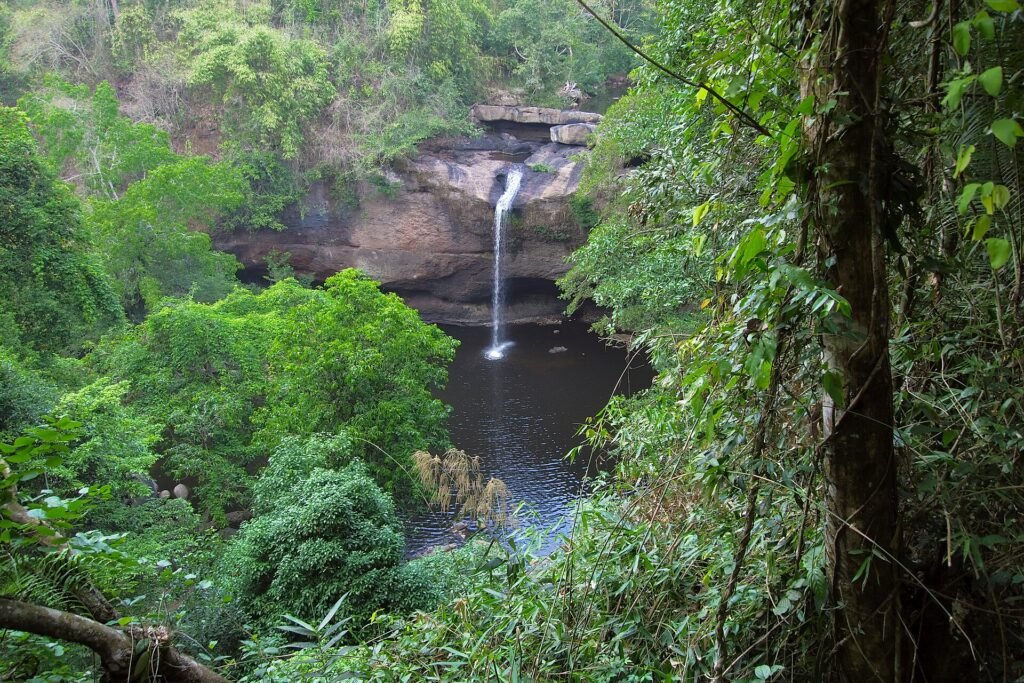

Haew Suwat Waterfall
About 10 km from the park visitor centre, Haew Suwat drops around 25 metres into a broad pool framed by forest. It is one of the easiest waterfalls to reach by car, and in the dry season the park notes that a cave behind the falls becomes accessible. Walkers can also arrive on foot via Nature Trail No. 2 from Pha Kluai Mai (about 3 km, roughly two hours).
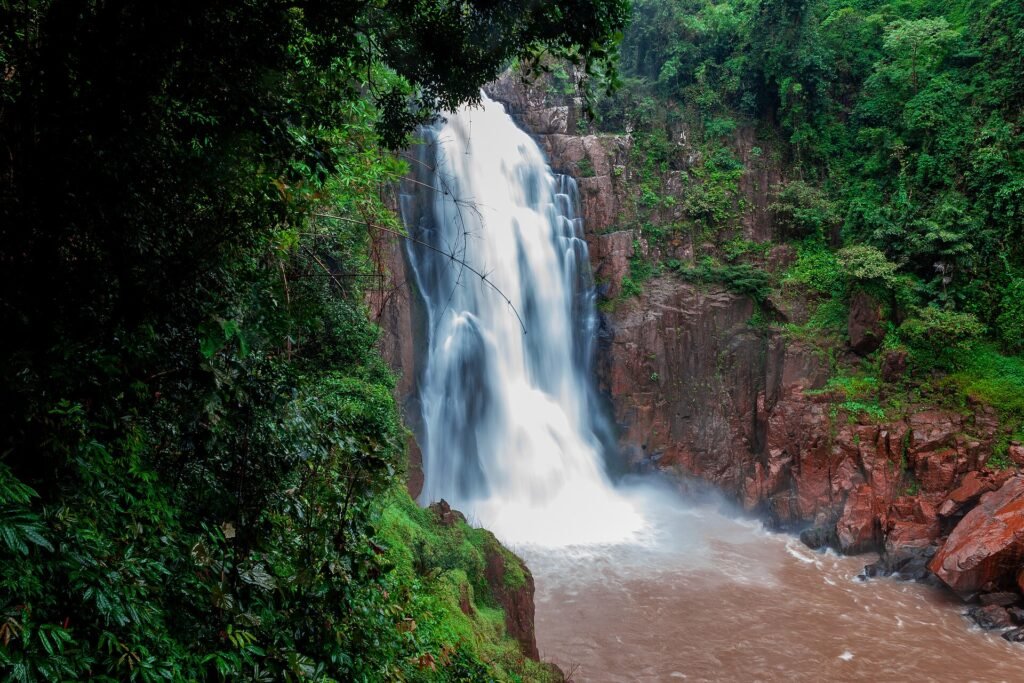
Haew Narok Waterfall
.jpg)
Haew Narok is the park’s largest and tallest waterfall, falling roughly 150 metres in three tiers. It lies in the southern part of the park, around 22 km from the visitor centre, so it pairs well with a route to or from the Noen Hom gate. Expect a walk and steep steps to the viewing area. Swimming is not allowed here, and the falls are at their most powerful — and most slippery — during the rainy season.
Pha Kluai Mai and Kong Kaew
Pha Kluai Mai, about 7 km from the visitor centre, is a smaller, rocky cascade known for the red orchids that grow nearby. Kong Kaew is a short stroll from the visitor centre itself and makes an easy first walk (Nature Trail No. 1, about 1.2 km).
Viewpoints and the observation tower
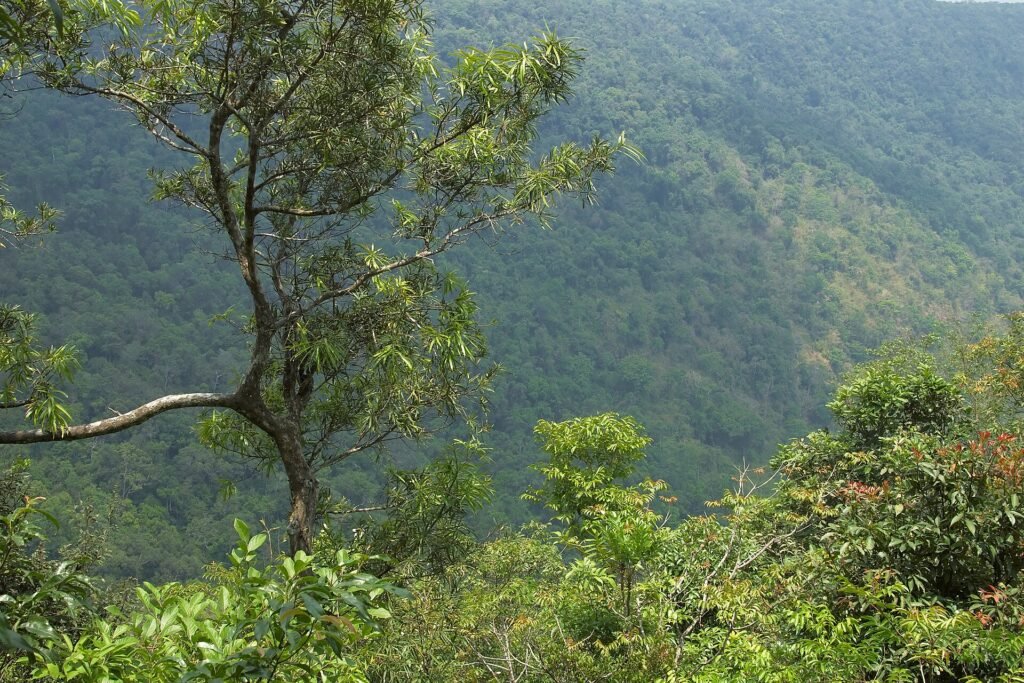

- Km 30 viewpoint — a roadside lookout on the climb into the park and a classic spot for morning mist over the forest.
- Pha Diao Dai — a rocky outcrop reached by a short forest walk near the upper end of the park road, popular at sunrise.
- Khao Khiao viewpoint — the park describes it as the highest viewpoint in Thailand’s central region, at about 1,290 metres.
- Nong Phak Chi observation tower — a 20-metre tower about 3 km from the visitor centre, overlooking grassland and salt licks where deer, gaur and elephants sometimes appear. Quiet early mornings and late afternoons give the best chance of sightings.
Wildlife watching and the night safari
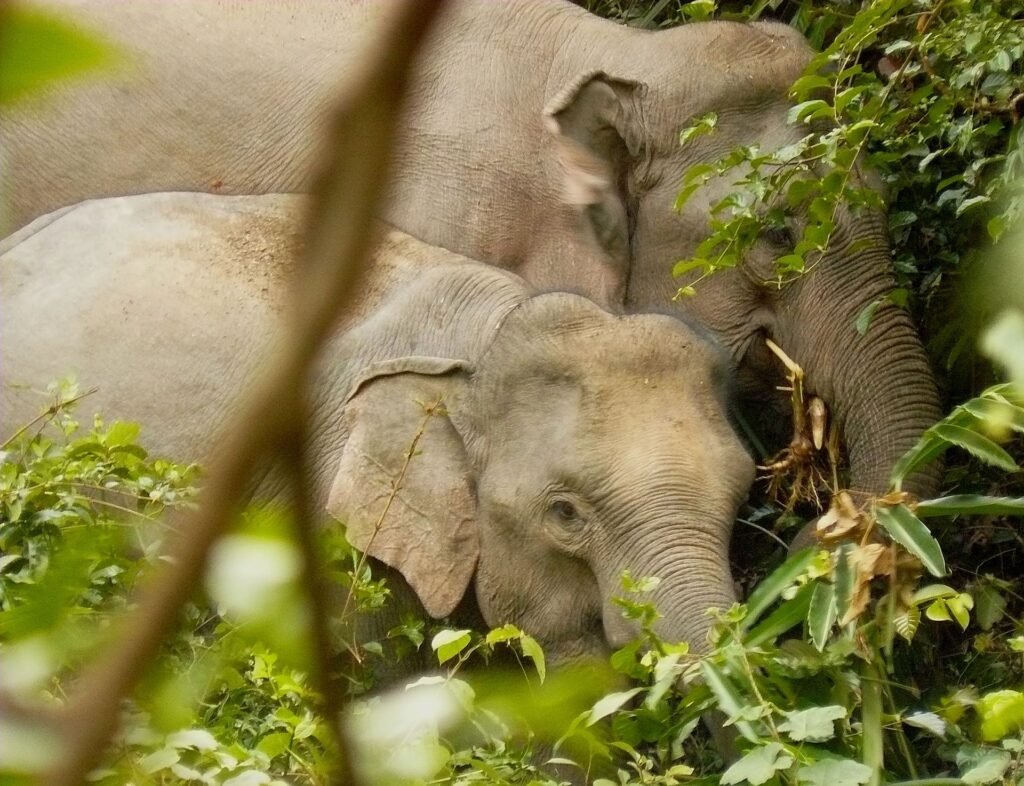

The park shelters wild elephants, sambar deer, muntjac, gaur, macaques and gibbons, and it is an excellent birding destination: several hornbill species nest here. Elephants often use the park road, especially around dusk. If you meet them, stay in your vehicle, keep a generous distance, switch off bright lights and follow any instructions from rangers — never get out to take photos, and never feed wildlife.
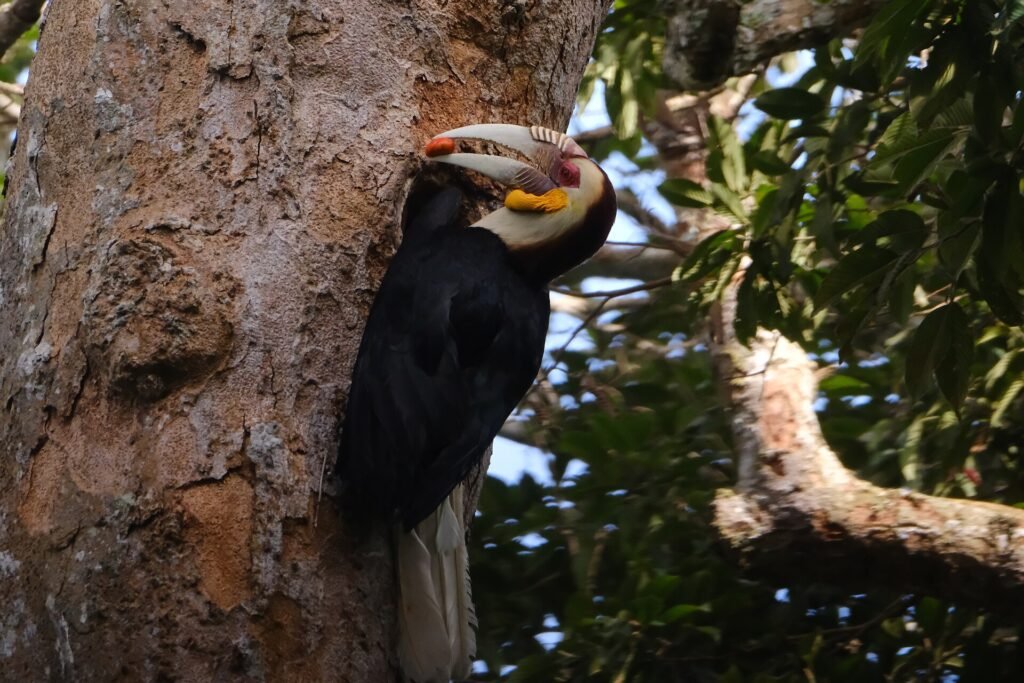

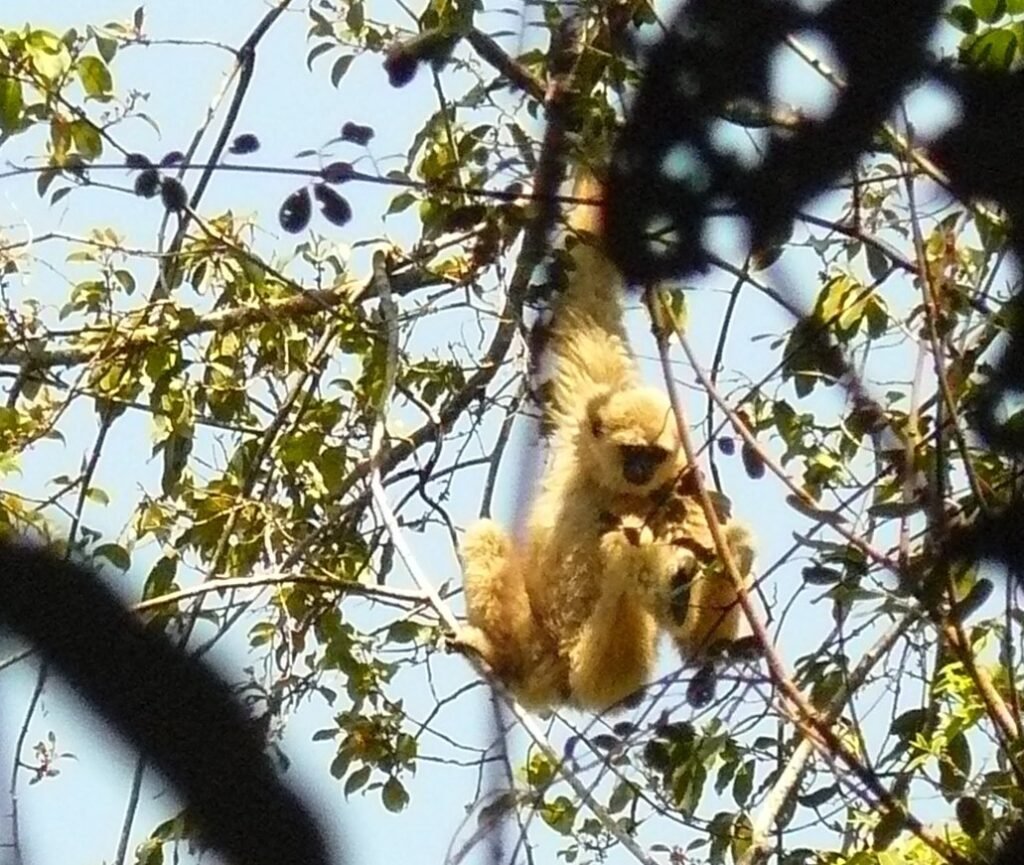

For night animals, the park runs a ranger-guided night safari by open pickup, about one hour over roughly 10 km. According to the official night safari page, there are two departures (19:00 and 20:00), the charge is per vehicle of up to eight people, and bookings are made at the visitor centre before 18:00 on the day. Personal spotlights are not allowed; bring a warm layer.
Nature trails
The park maintains seven short trails. Several must be walked with a registered guide, and you should register at the visitor centre before setting out. Details below are summarised from the official trails page.
| Trail | Distance | Time | Guide |
|---|---|---|---|
| 1. Visitor Centre – Kong Kaew Waterfall | 1.2 km | 45 min–1 hr | Not required |
| 2. Pha Kluai Mai – Haew Suwat Waterfall | 3 km | About 2 hrs | Not required |
| 3. Km 33 – Nong Phak Chi | 4.2 km | 2.5–3 hrs | Required |
| 4. Dong Tiw – Sai Sorn Reservoir | 2.7 km | 1.5–2 hrs | Required |
| 5. Dong Tiw – Nong Phak Chi | 5.5 km | About 3 hrs | Required |
| 6. Visitor Centre – Haew Suwat Waterfall | 8 km | About 6 hrs | Required; closed July–August |
| 7. Thai–American Friendship Trail | 2 km | About 1.5 hrs | Not required |
In the wet months, leeches are common on forest trails: long trousers and leech socks help. Start trails in the morning; the park sets latest start times.
Camping in the park
Lam Takhong is the main campground, with tents and bedding available to rent; an additional seasonal site is used at busy times. Booking details for tents and park lodges are on the park’s official Lodge & Camp page. If you prefer a private room with more comfort, see our guide to where to stay in Khao Yai.
Beyond the park gates
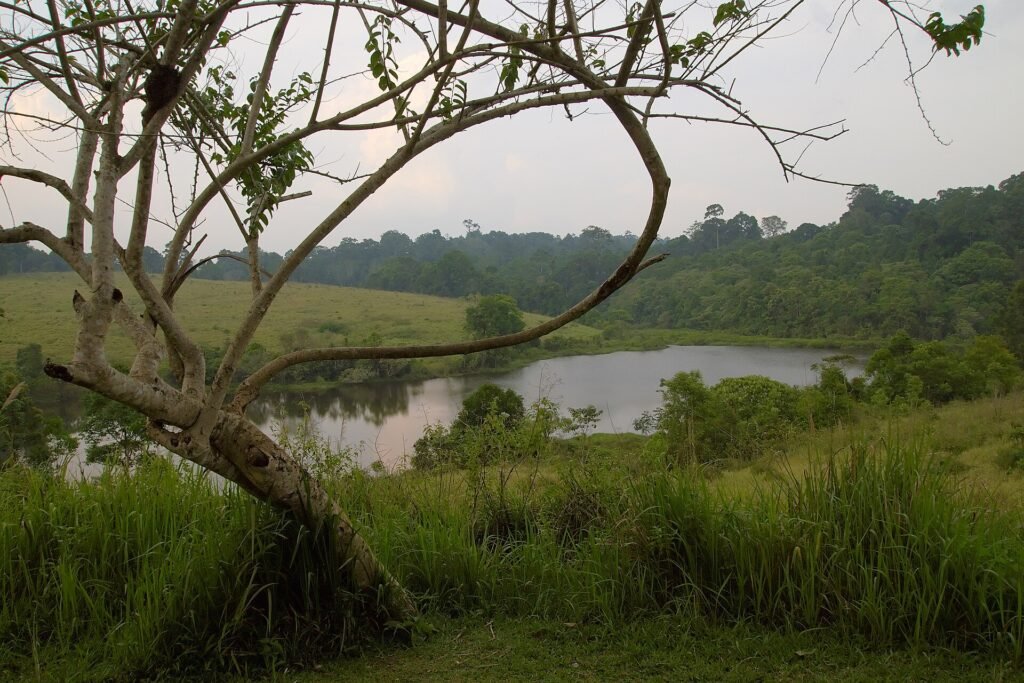

The countryside north of the park, around Pak Chong and Mu Si, has its own appeal — especially for an unhurried afternoon after an early start in the forest.
- Wineries. Khao Yai is one of Thailand’s best-known wine regions. Estates such as GranMonte and PB Valley Khao Yai Winery offer tastings and tours; check their websites for current times and booking requirements.
- Farm Chokchai. A large, long-established dairy farm near Pak Chong with guided tours; see the Tourism Authority of Thailand listing.
- Bat emergence at Khao Luk Chang. Outside the park, large numbers of bats typically stream out of a limestone cave around dusk — timing varies with weather and season, so allow some patience.
Food to try
Khao Yai sits in Nakhon Ratchasima (Korat) province, on the edge of Thailand’s northeast, so Isan flavours are everywhere: grilled chicken (gai yang), sticky rice, green papaya salad (som tam) and herb-packed larb. Look for pad mee Korat, the province’s own stir-fried rice noodle dish. Pak Chong’s dairy farming also means fresh milk, yoghurt and ice cream are local favourites, and the area has a lively café scene. Inside the park, food options are limited to a few simple outlets near the visitor centre and main sights, so carry water and snacks.
Visiting responsibly
- Take all rubbish out of the park with you and never feed monkeys or other animals.
- Drive slowly, especially at dawn and dusk, and give elephants plenty of room.
- Stay on marked trails and hire a park-registered guide where required.
- Check official announcements before travelling: trails, campsites and waterfalls can close for safety or restoration.
Planning your days
Early starts are the key to Khao Yai. See our 2- and 3-day itineraries, and if you are choosing a villa, our private pool villa guide explains why distance to the park gate matters.
Last reviewed: 28 September 2026. Facts about park facilities are summarised from Khao Yai National Park’s official website.